Shut the storm: how we made the ZIEA product film
ZIEA is an AI desk assistant that turns a messy day into a plan. For its product film we turned a filmmaker's room into a storm of paper, then calmed it down with one gesture. Here is how we got there: a treatment, AI previews of every set, a full animatic, custom UI and two days on a dolly.
- Client: ZIEA, AI desk assistant
- What we made: a 1:30 product film, 30 and 15 second cutdowns, vertical videos, a 3D packshot, UI animation and 30 retouched photos
- Shoot: 2 days, 3 sets built in one studio, 3 heroes
- Tools: director's treatment, AI set previews, full animatic, tracked UI, VFX paper storm
One device, a lot of software
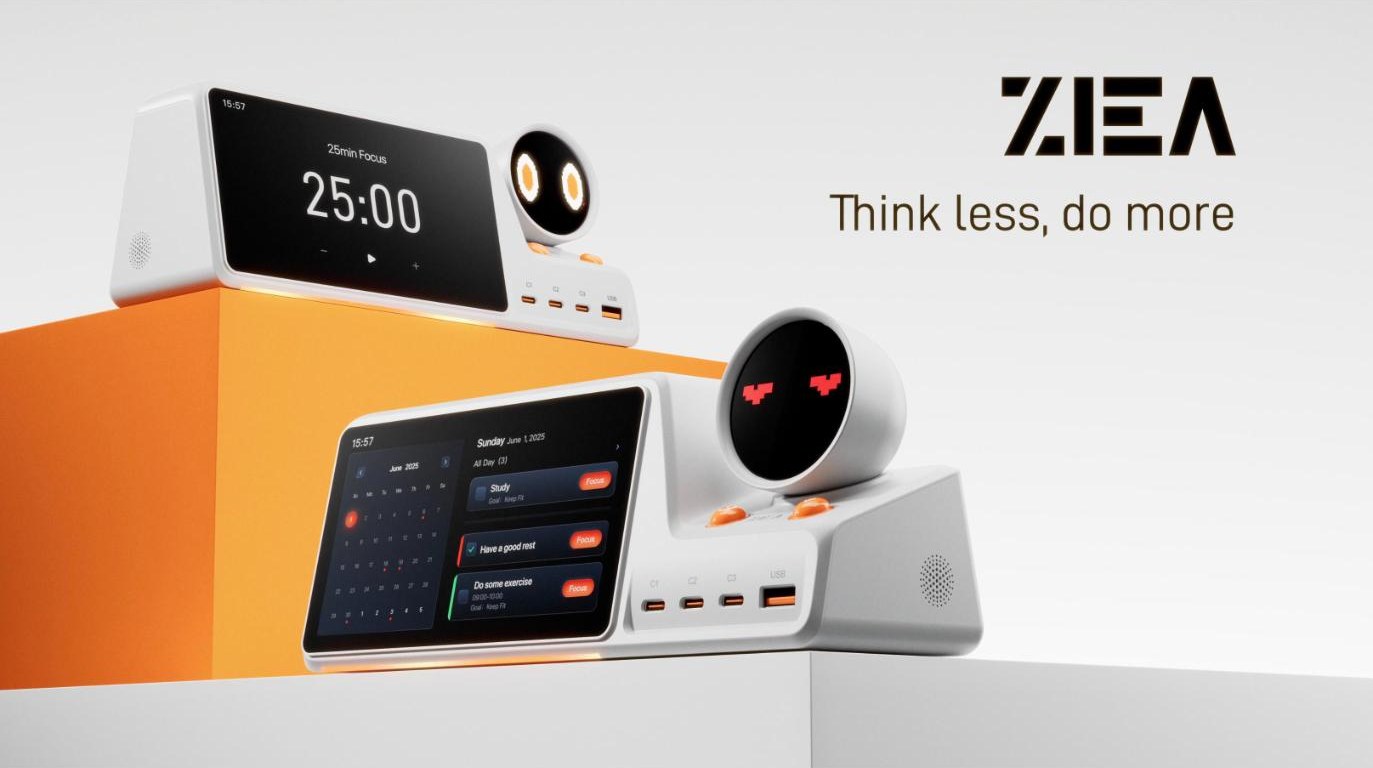
ZIEA sits on the desk: a screen that merges Google, iCloud and Outlook calendars into one plan, a small companion with eyes that reacts to what you do, focus mode, voice tasks, reminders and a hub for every cable. Almost all of it happens in software. The film had to show the features without turning into a list of them.
The brief asked for a 1:30 hero film, 30 and 15 second cutdowns, vertical videos, a 3D render, pop-up UI graphics and 30 retouched photos, all from one shoot.
The idea: shut the storm
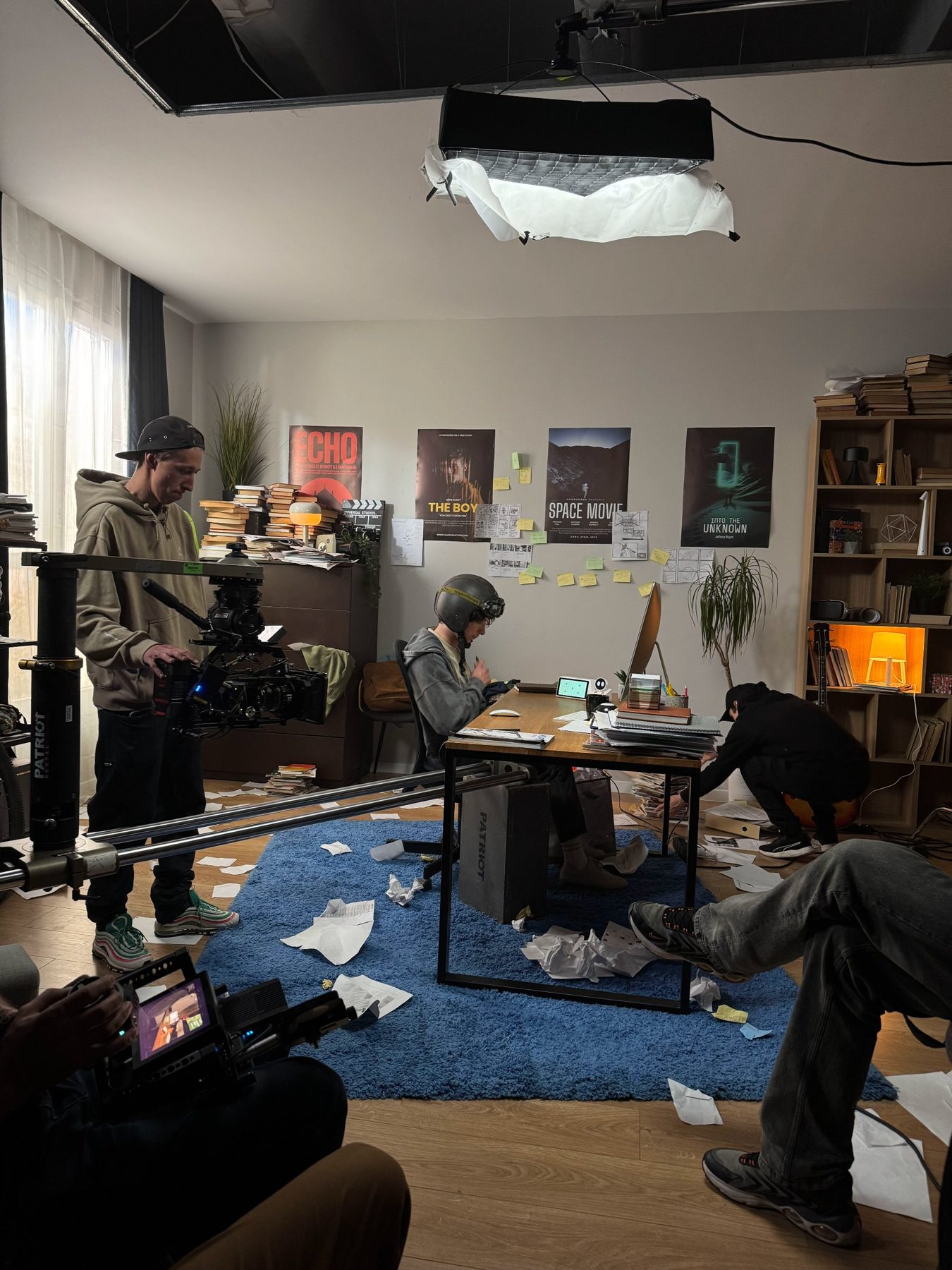
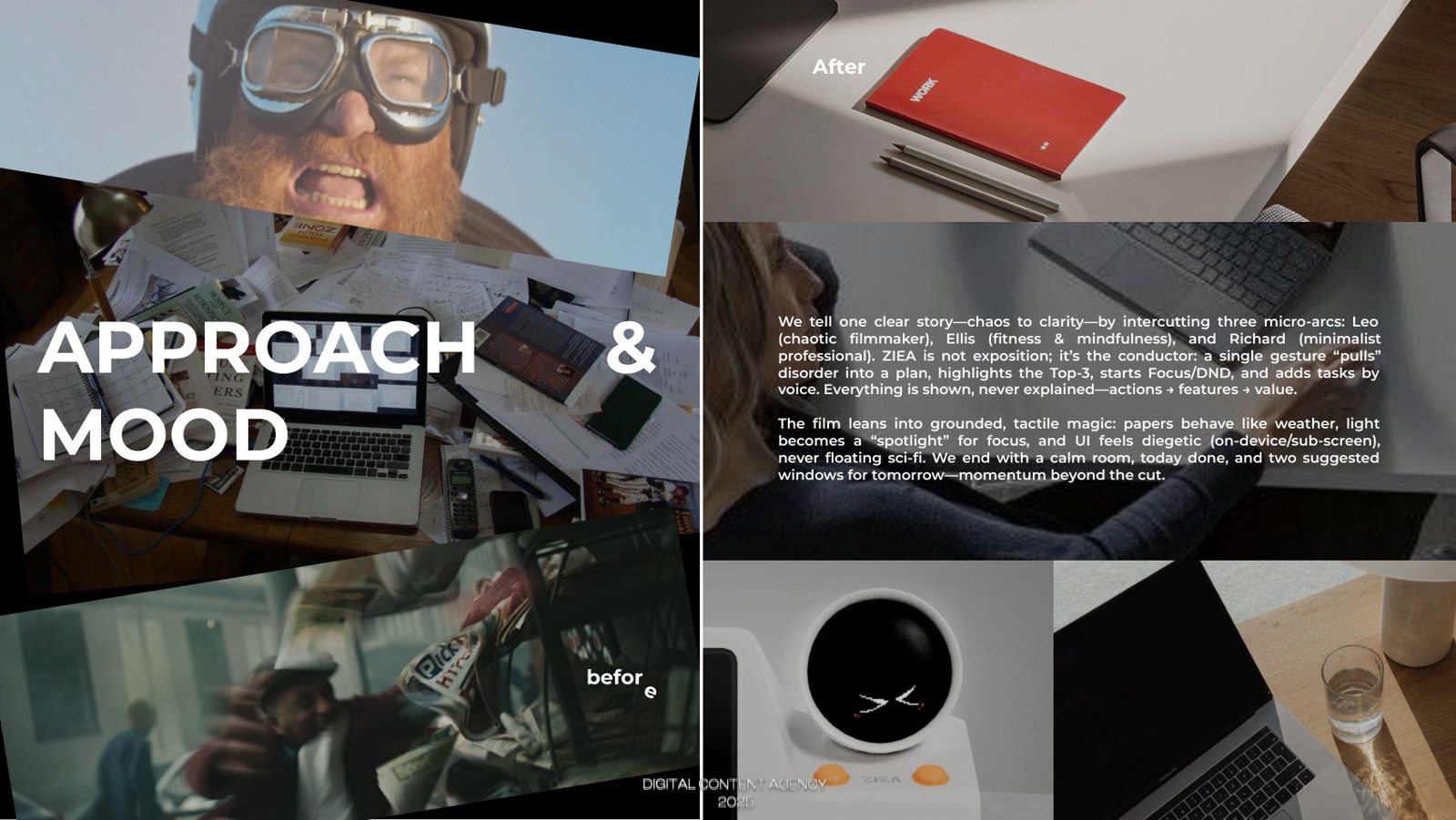
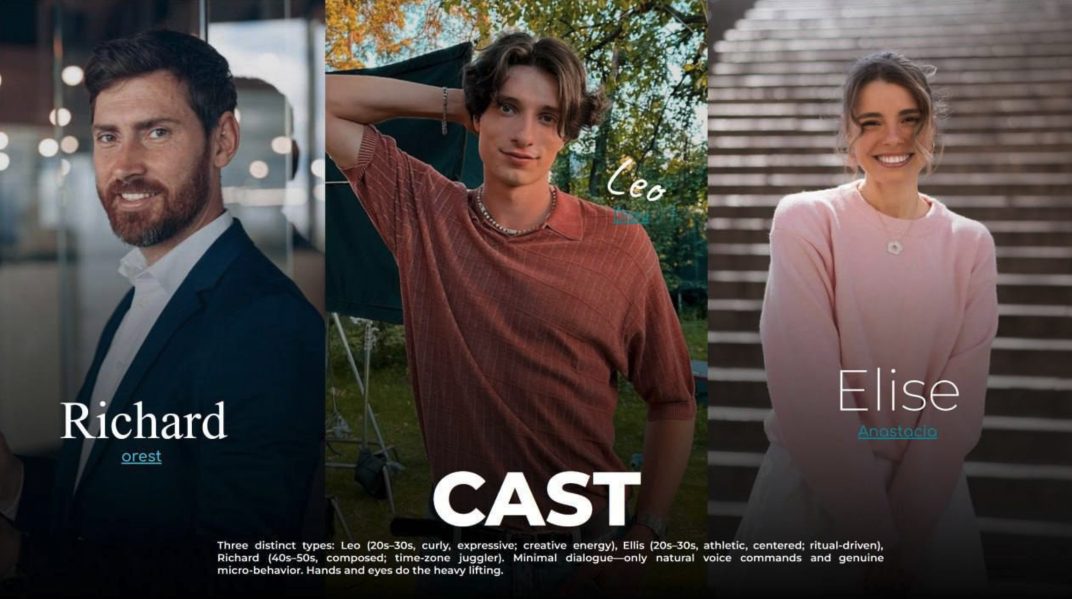
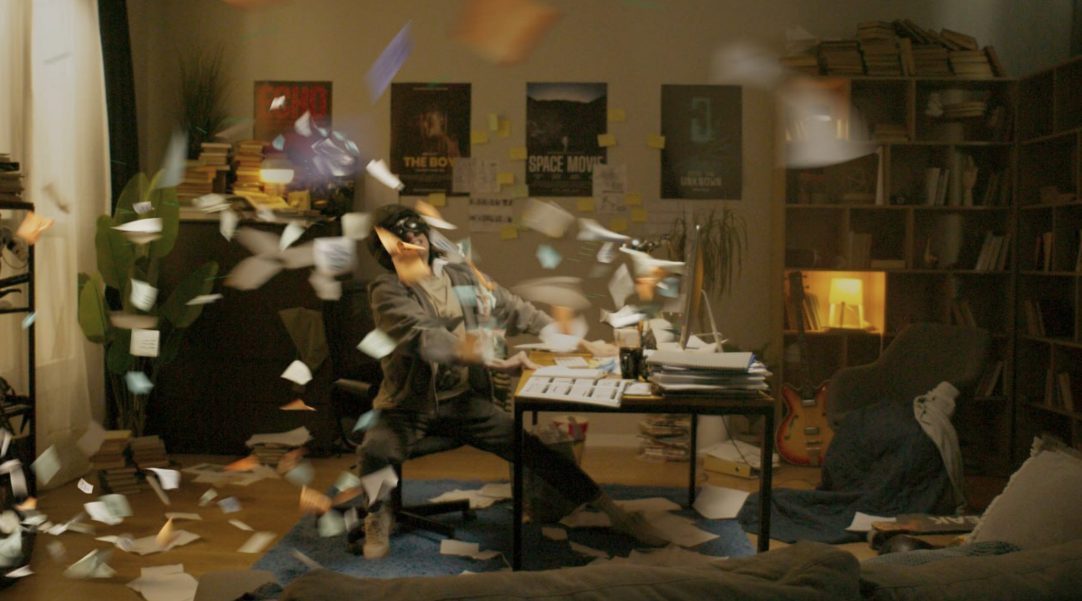
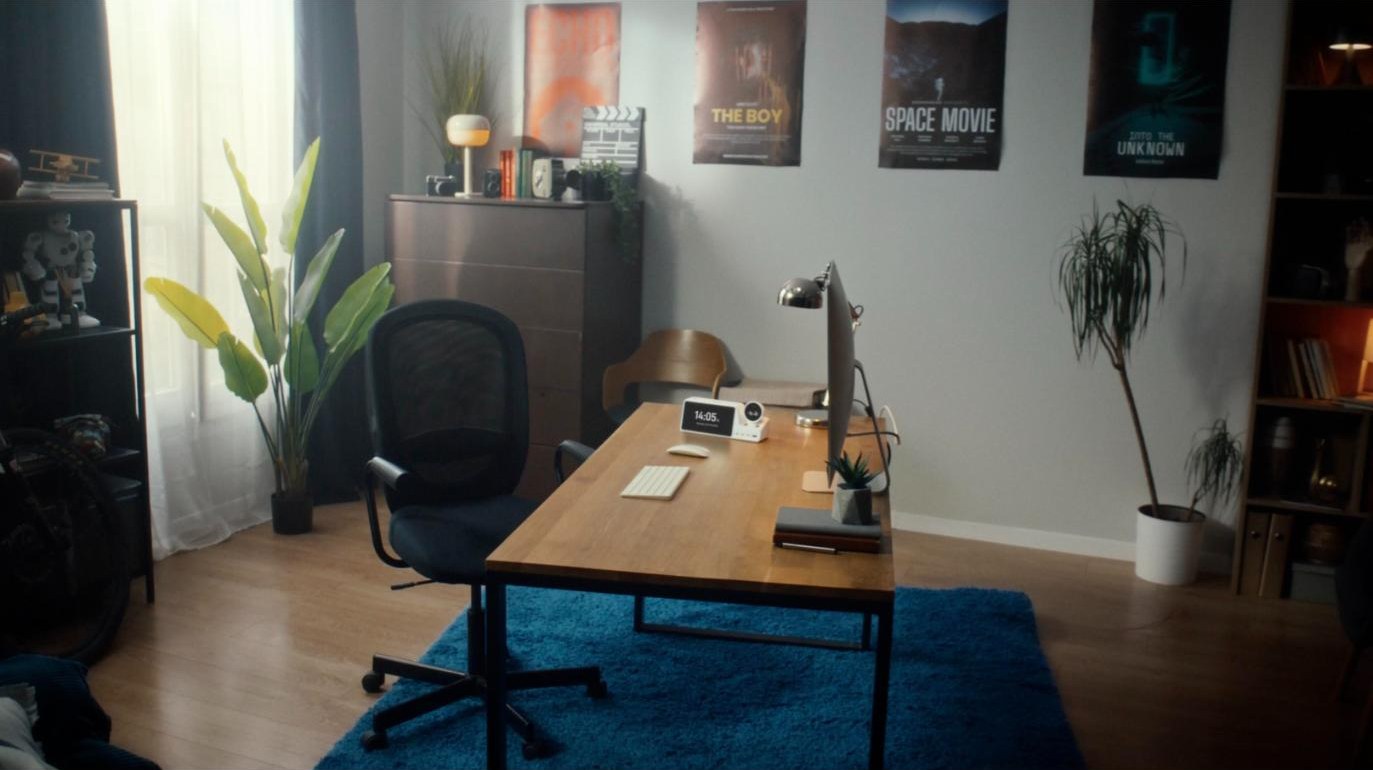
We told one story, chaos to clarity, through three people. Leo is a filmmaker whose room literally takes off: bills, notes and cables fly around him like weather. He puts on a helmet and goggles, opens his mail, and the storm hits. Then ZIEA wakes up, and one gesture pulls the noise into a plan: three tasks for today, a focus timer and quiet.
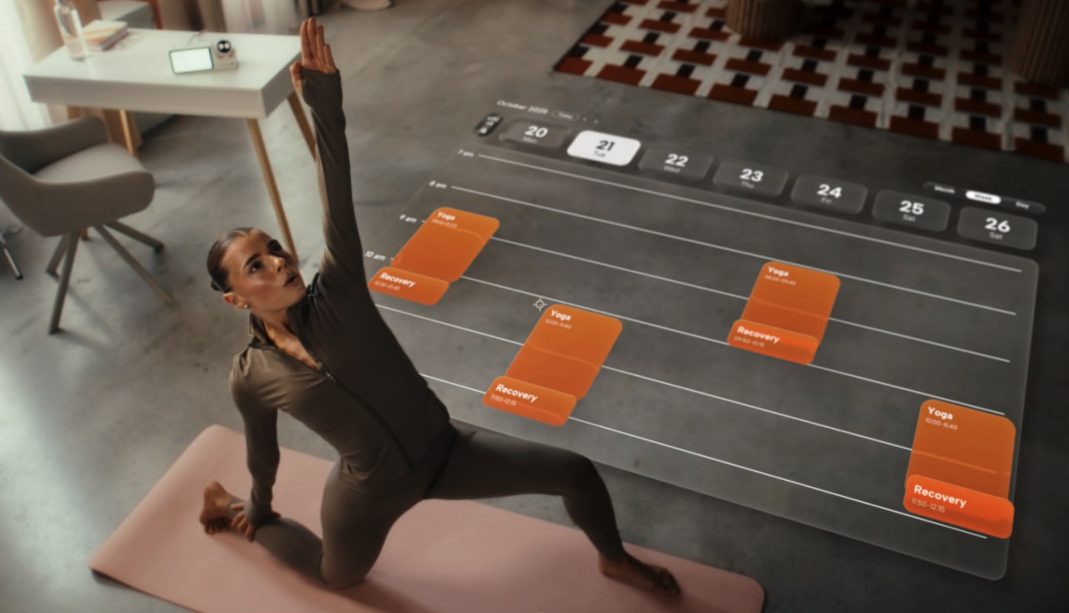
Two more heroes show other rhythms. Ellis plans training, recovery and meals by voice. Richard, a minimalist professional, merges three calendars into one and adds a golf match while lining up a putt. Everything is shown, never explained: action, then feature, then value.
Seeing the sets before they existed
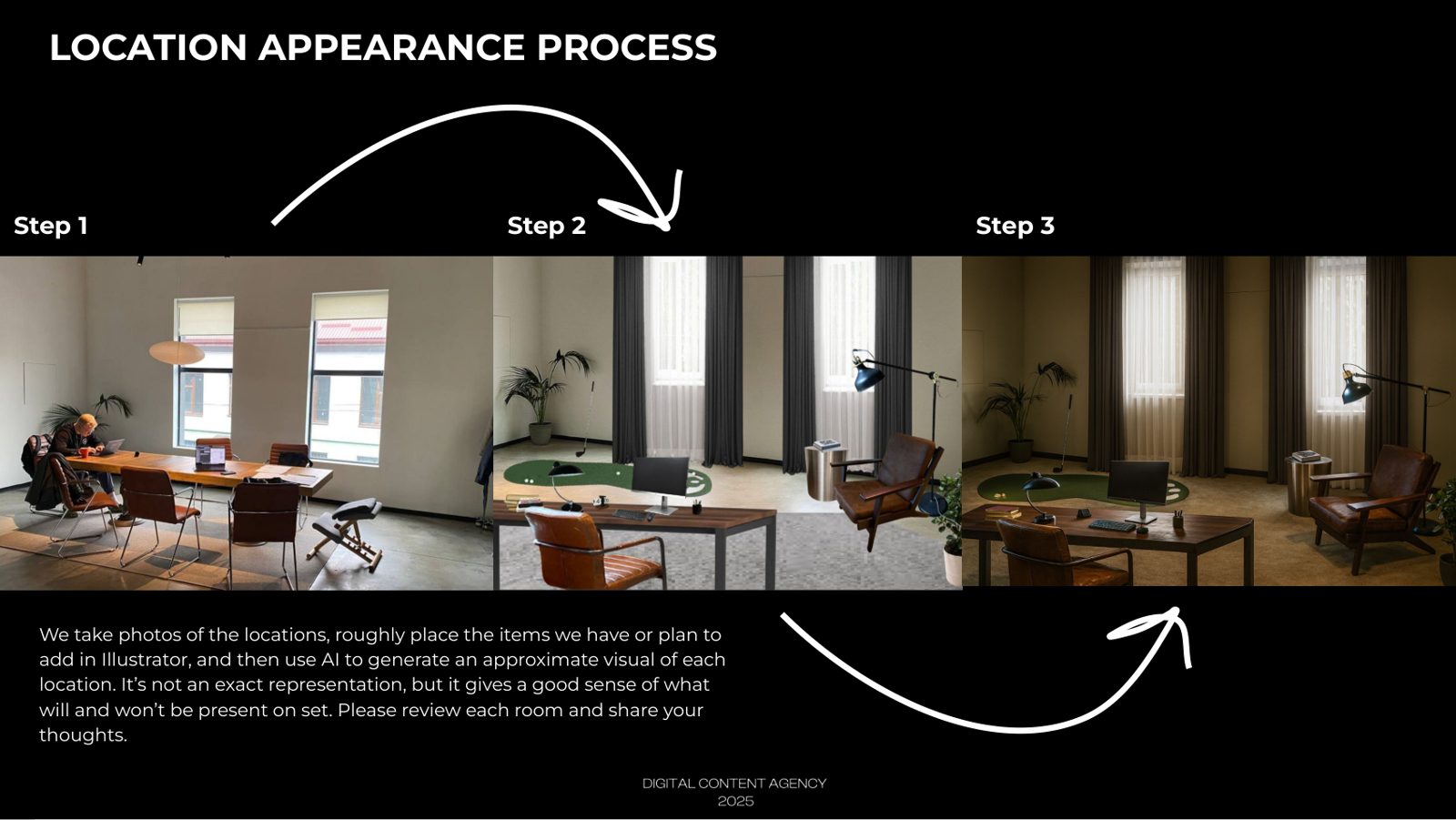
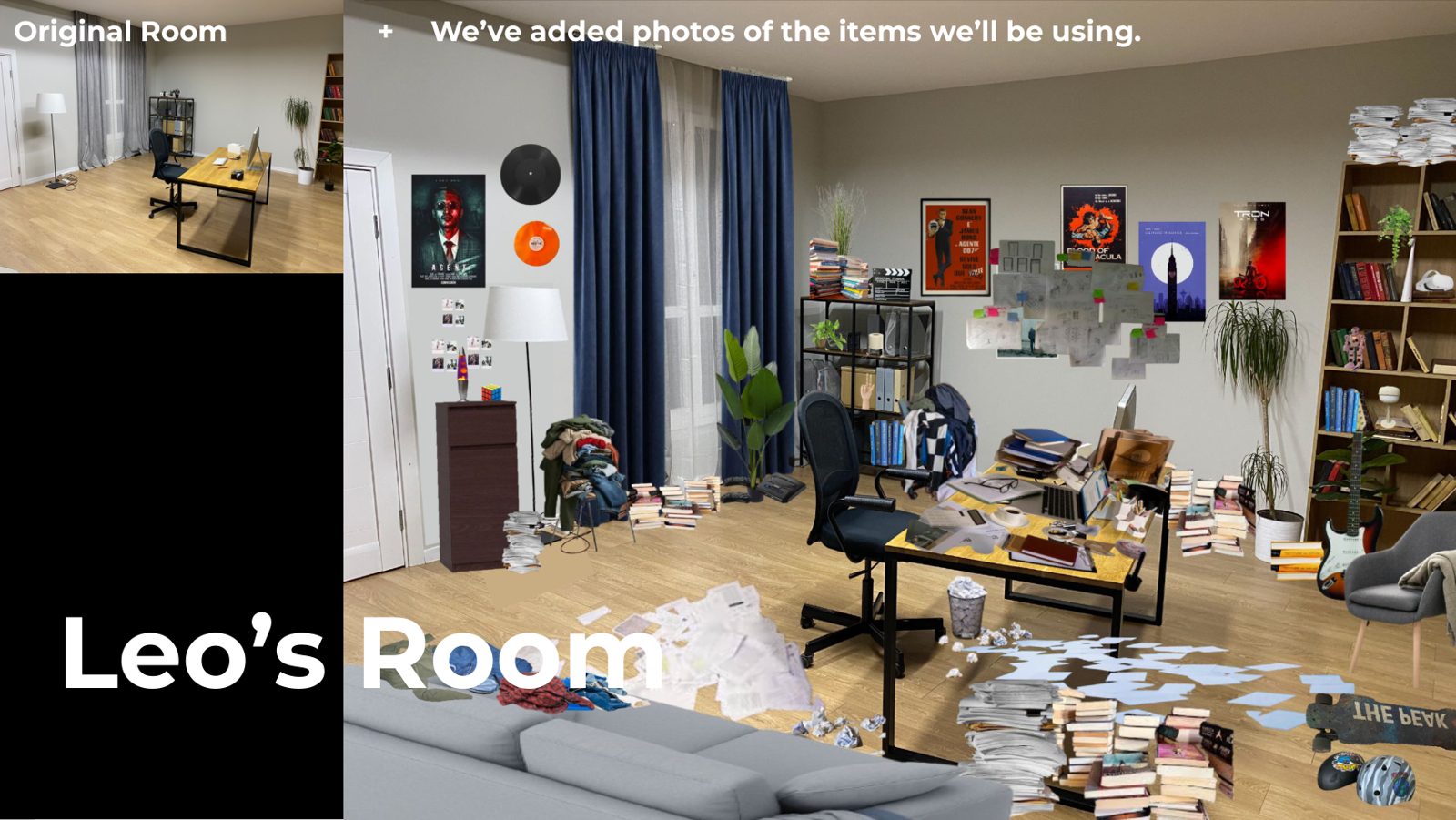
We shot all three rooms in one studio space, so each room had to be designed from scratch. We photographed the empty location, placed the props and furniture we planned to bring, and used AI to generate an approximate picture of each room. The client could comment on every set while it was still a photo of an empty space.
The full animatic
From the storyboard we cut a full animatic with temporary voice and music. It fixed the timing of every shot, every UI moment and every transition before the shoot. Here it is, start to finish.
UI that lives in the room
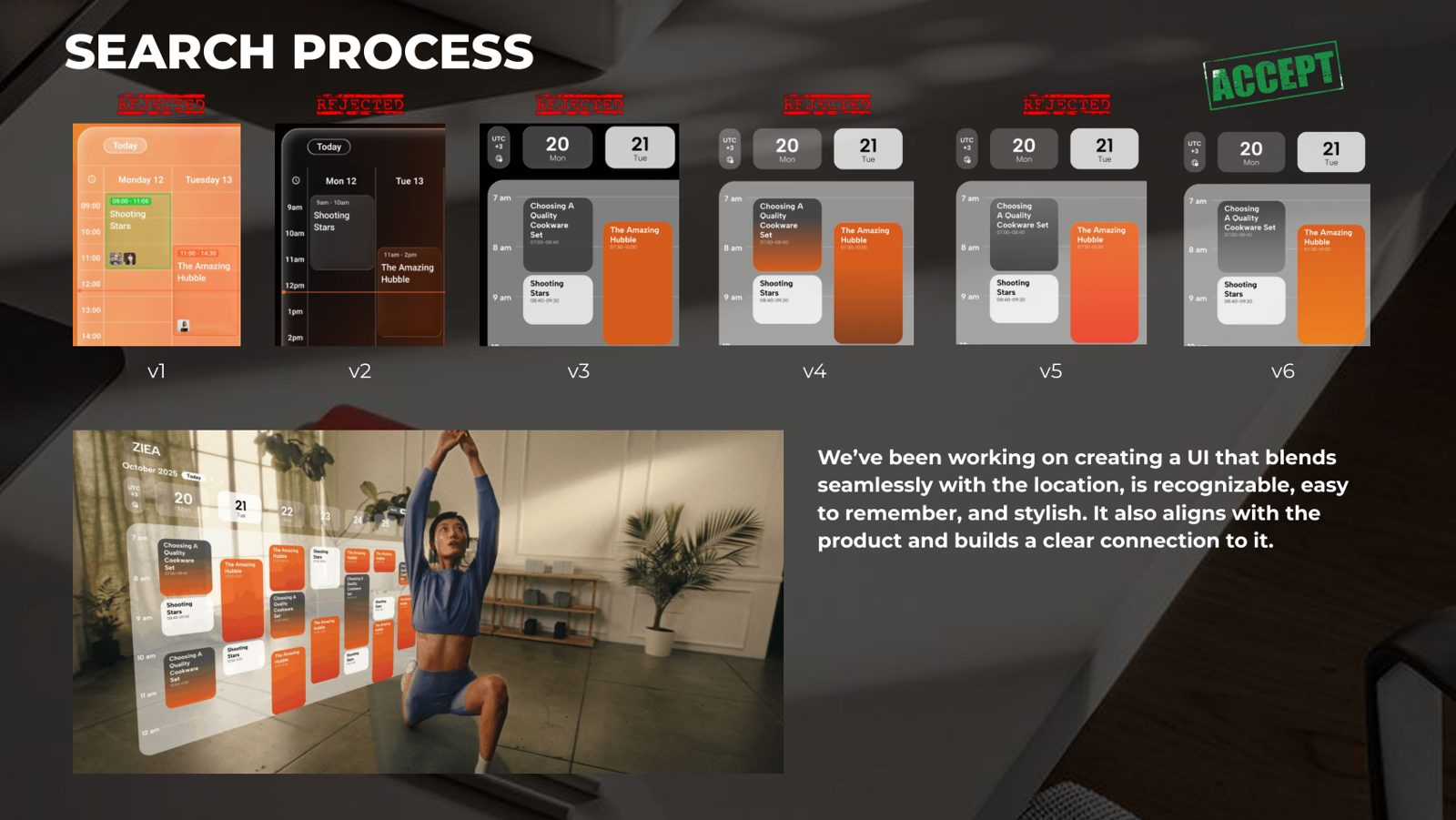
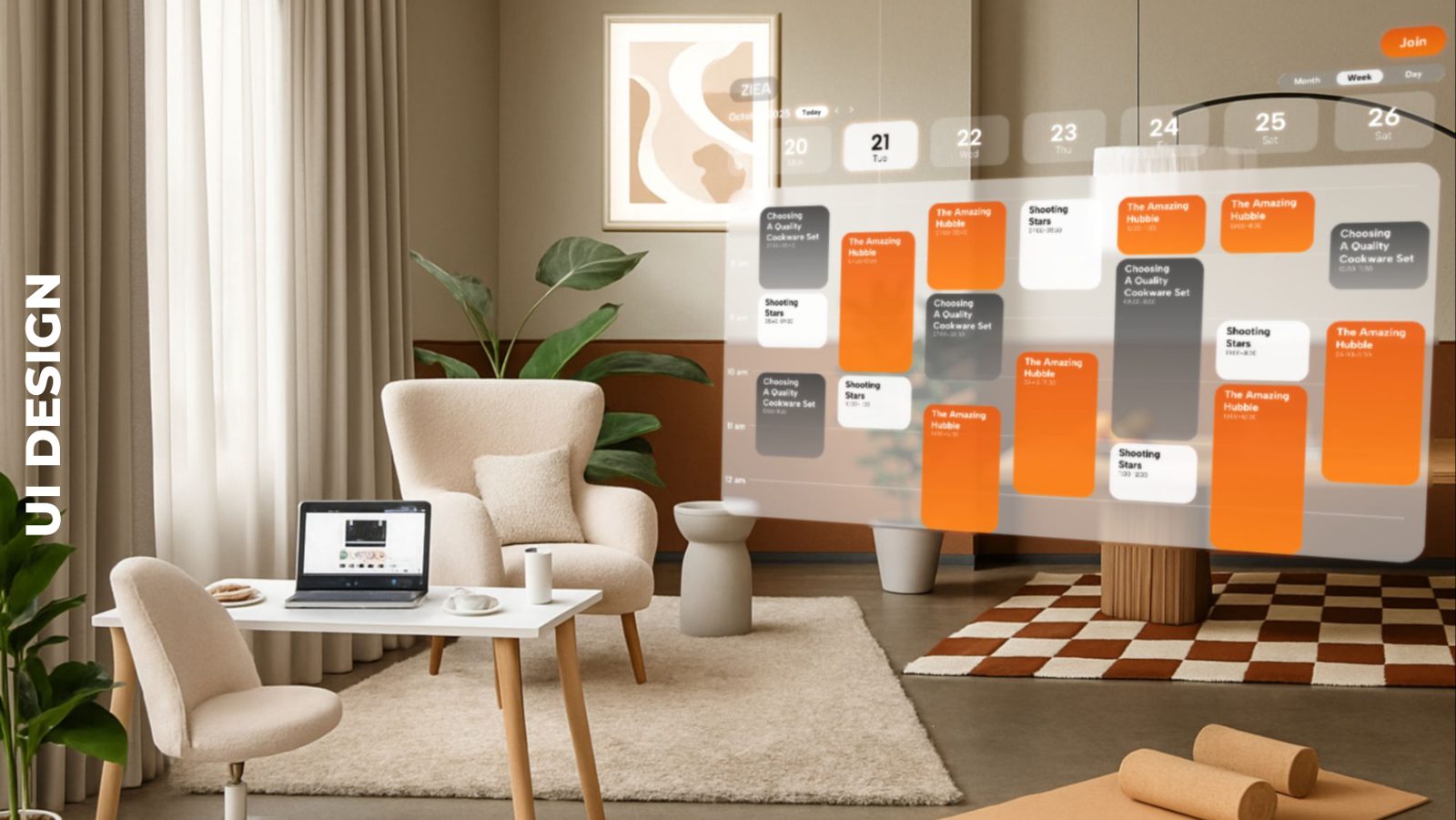
The interface is the storytelling layer: it shows what the assistant does behind the scenes. We designed brand-native cards and buttons and went through six versions before the client approved one. In the film the UI lifts off the screens into the room, tracked to the camera and lit like the scene, so it feels part of the space, never like floating sci-fi.
Two days on set
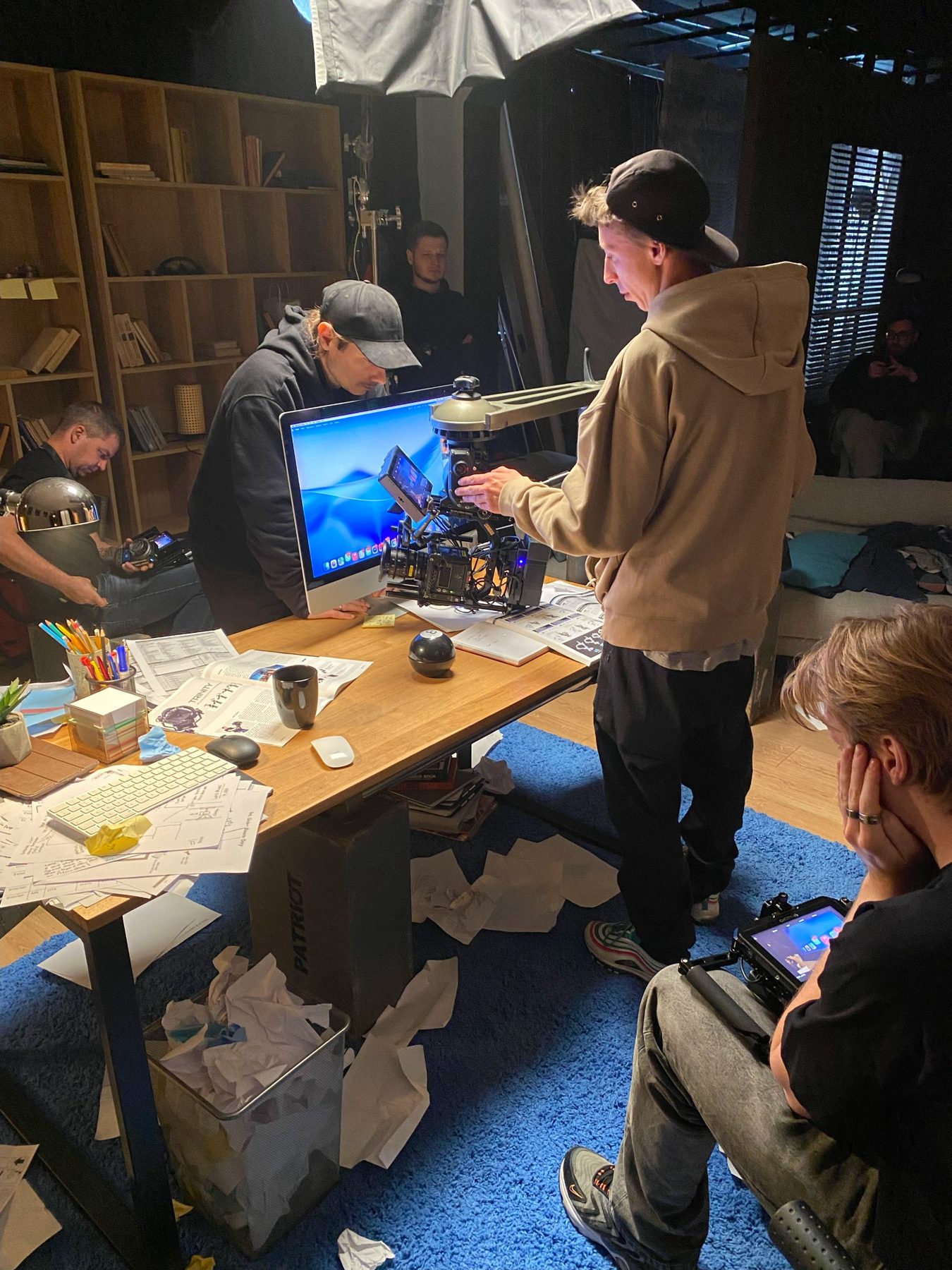
Leo's storm is handheld, with tilted angles and fast pans. Once ZIEA wakes up, the camera calms down: locked frames and slow dolly moves in clean daylight. Ellis and Richard live in that calm from their first shot. Most of the shoot was dolly work.
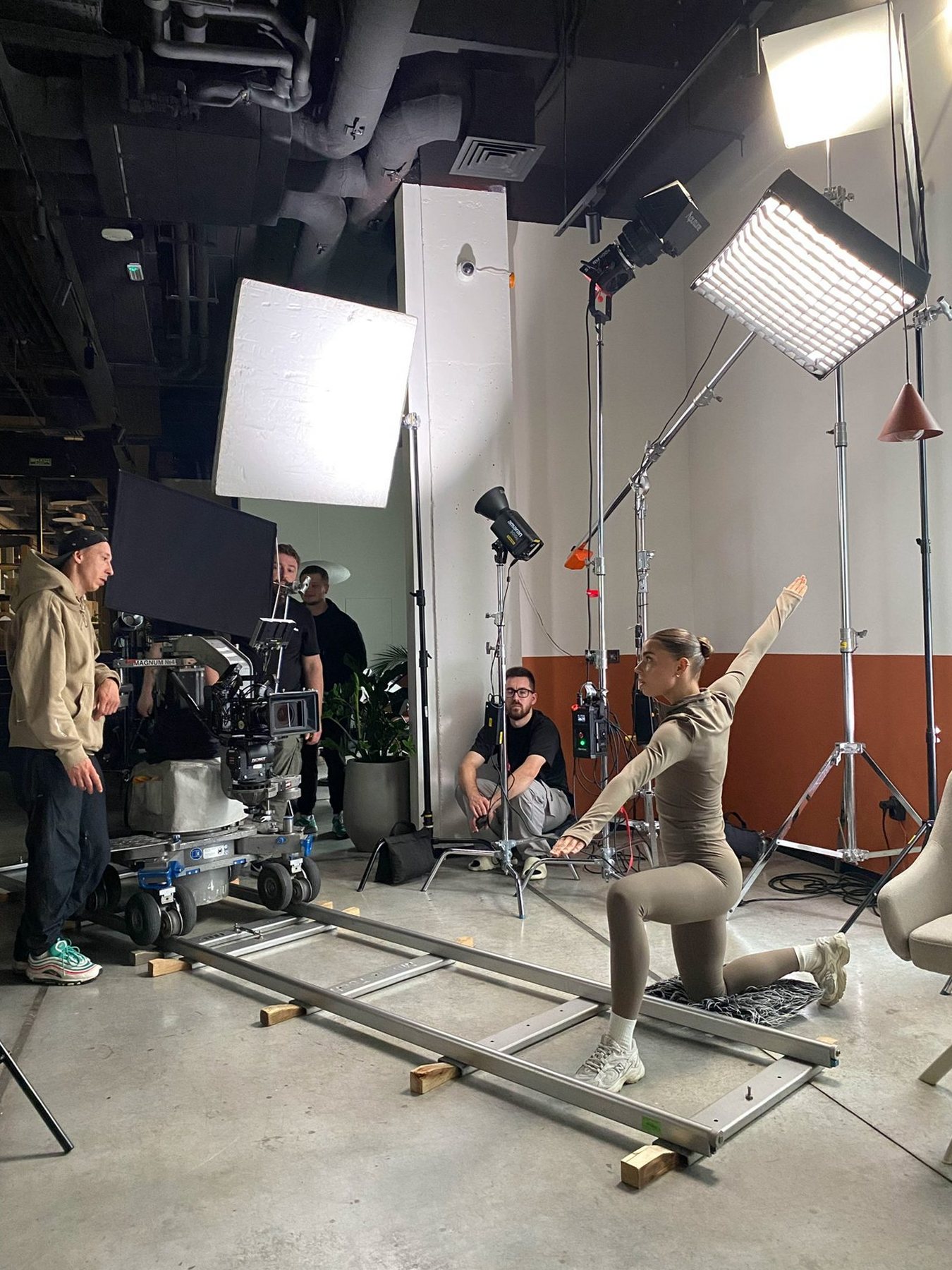
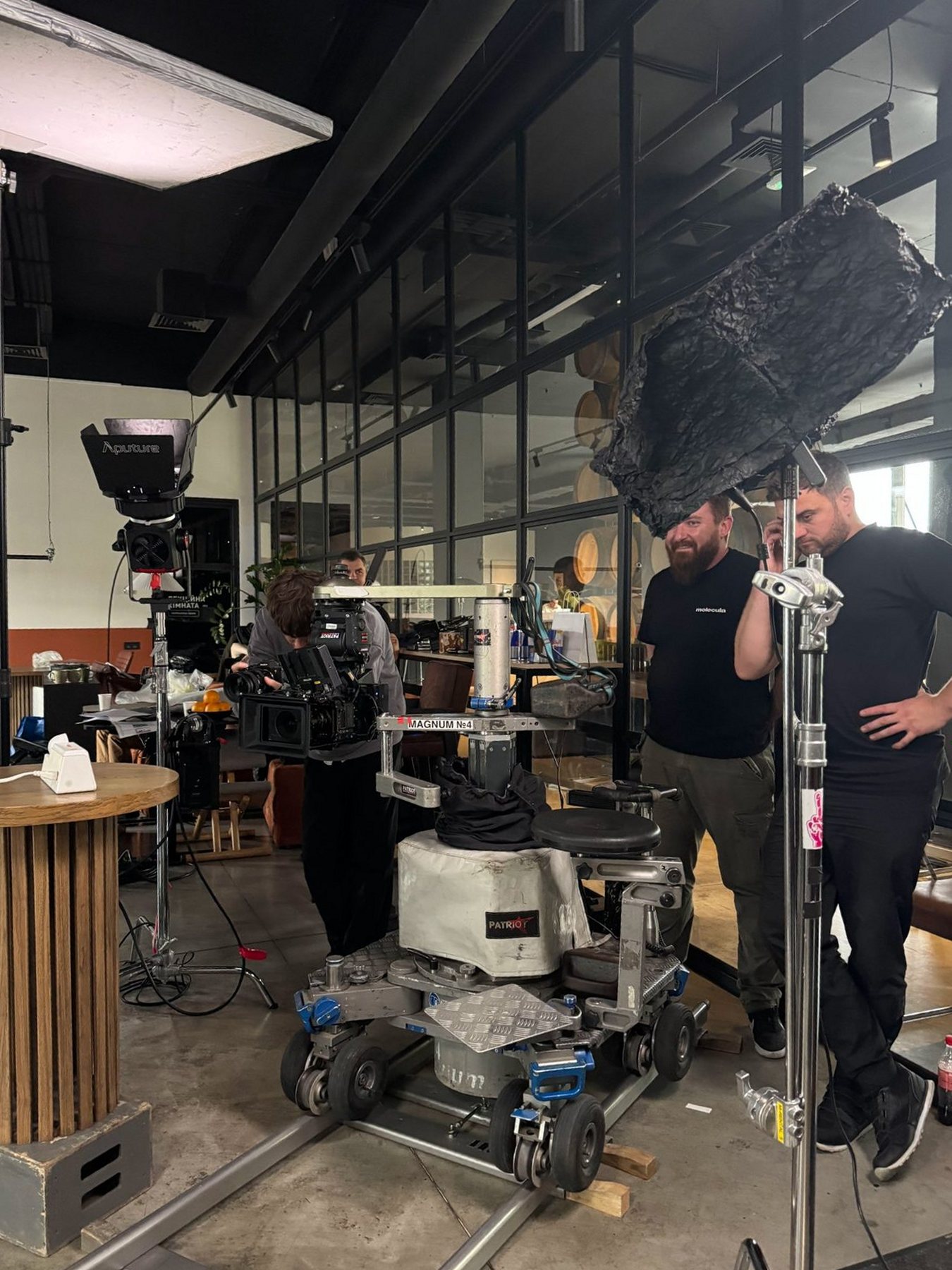
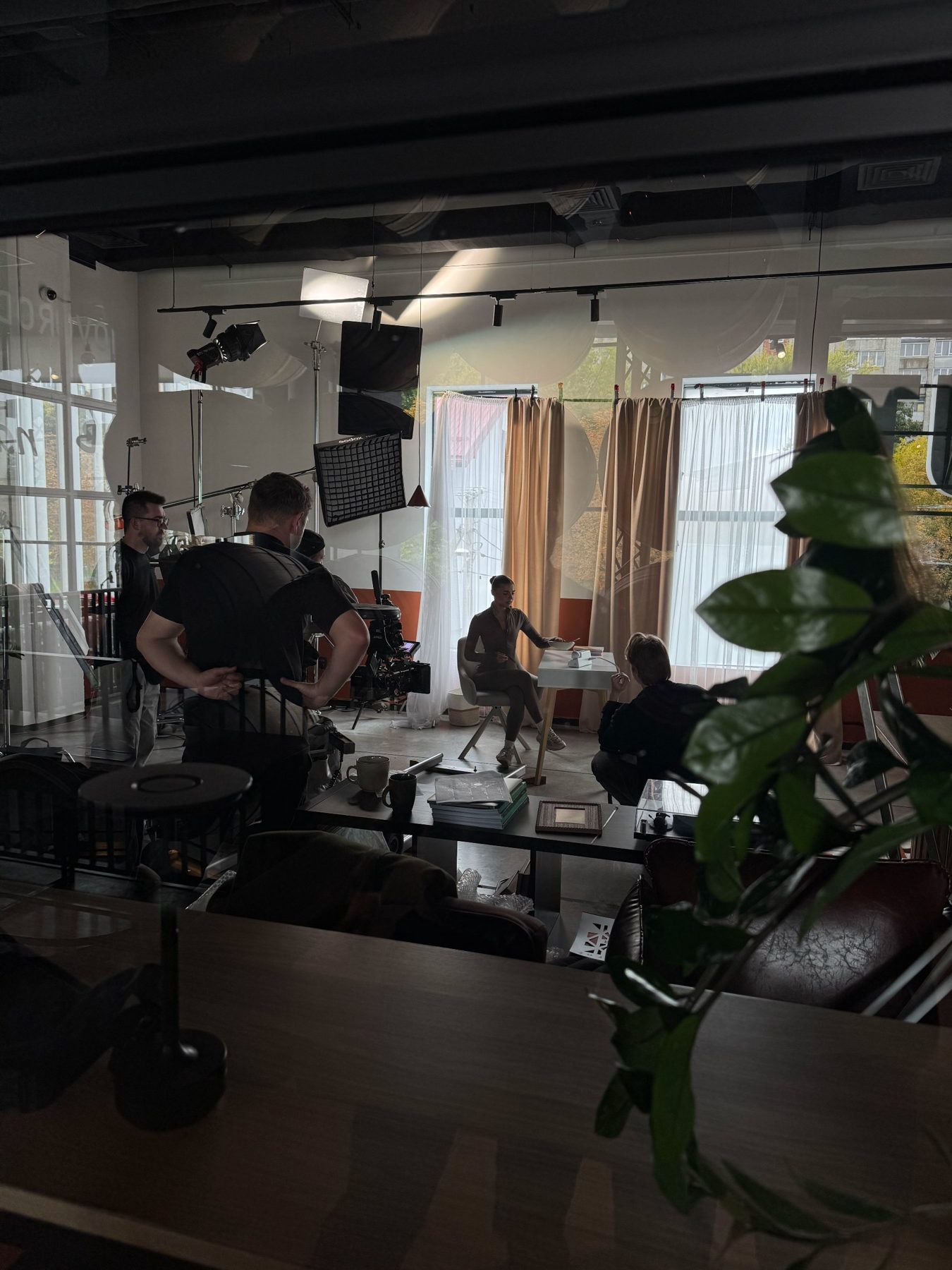
The storm, the golf ball and the packshot
The paper storm mixes real paper on set with VFX. The UI cards are tracked into each shot. In Richard's scene the ball rolls past the hole, and the last calendar tile bounces it back in. The film ends with a 3D packshot of ZIEA on a clean desk.
The team
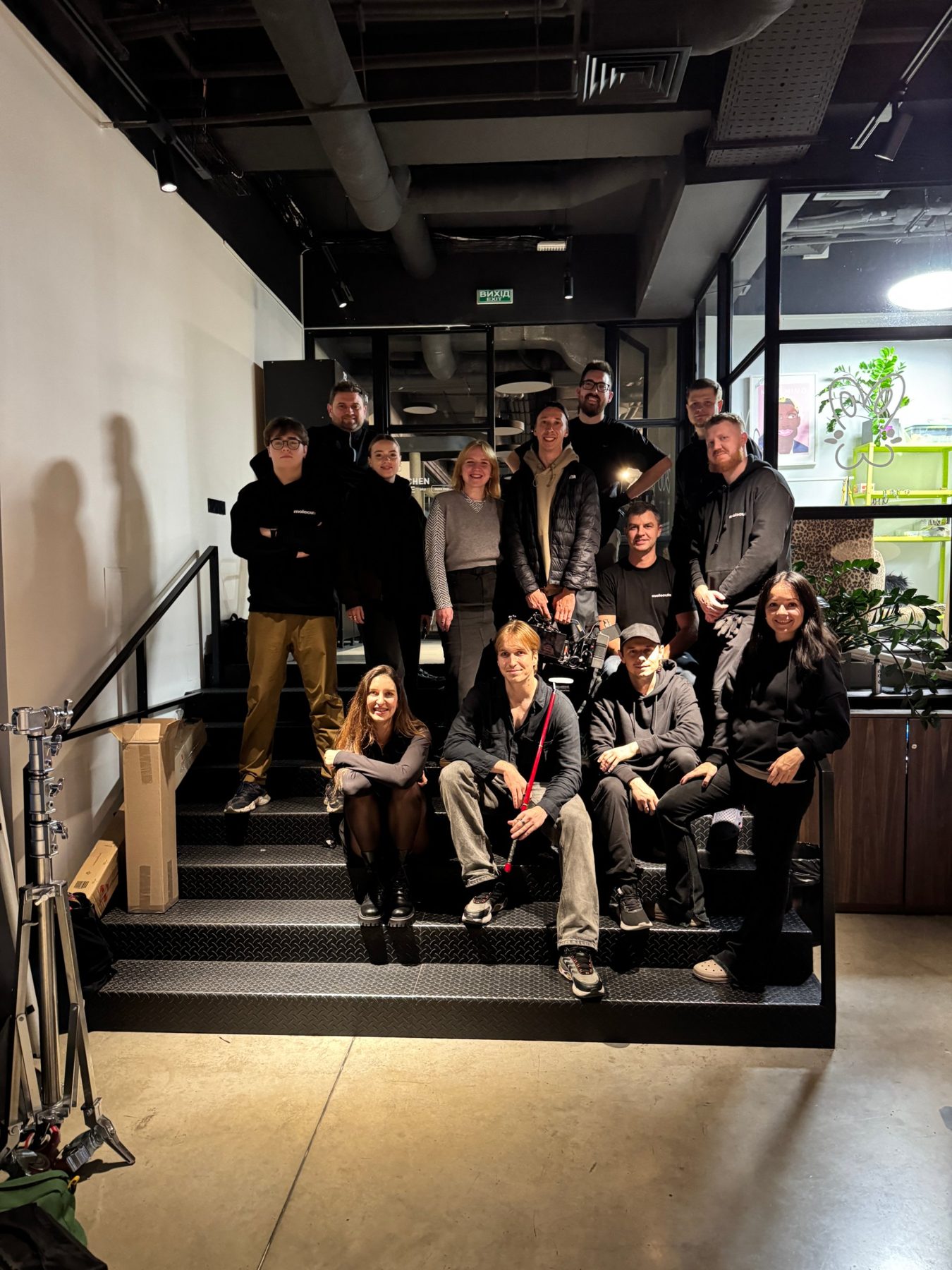
Three heroes, three rooms and a lot of paper took the whole Molecula team. Directors, camera, light, art department, producers: this is us at the end of the shoot.
What we would tell any team launching a smart device
If most of your product lives in software, decide early which three features the film shows, and give each one a real person and a real moment. Preview the sets before you build them, cut an animatic before you shoot, and design the UI as part of the scene. The shoot days then go to camera moves and performances, not to decisions.
The film
Keep reading.
 Backstage video
Backstage: we turned a European stadium into a night set for REDMAGIC 10S Pro
A gaming phone needs a world that glows. We found the concrete for it at a stadium in Europe, then spent a day building the light and a night filming in it.
Your launch film is shot in the US. Your team is in China. Here is how that works
Most of the brands we film for build their products in China and sell them in the US and Europe. The people who know the product best are often twelve time zones away from the set. This is how we run a shoot so the brand decides everything, without flying a single person in.
Product video tips: 10 lessons from 200+ launches
We have made content for more than 200 product launches, from Kickstarter campaigns to a commercial on Netflix. These are the ten things we do on every project, and the ten questions we ask before every shoot.
Let's create your next campaign.
Tell us about your product, timing and the content you need. We come back with a creative direction and a budget, usually within 48 hours.
WeChat: Olegdenysenko
