How long does a product launch video take? Real timelines from our projects
The honest answer depends on the product, the approvals and how much post the film needs. So instead of a generic range, here are real timelines from our own launches, and what made each one fast.
The stages of every launch film
- Brief. What the product does, who buys it, where the content runs, the launch date.
- Concept and treatment. The story, the look and every feature mapped to a shot.
- Pre-production. Casting, locations, props, AI previews of the sets, often an animatic.
- Shoot. From one long day to several days in different places.
- Post-production. Edit, colour, sound, VFX, CGI, UI animation.
- Deliverables. The hero film, cutdowns, verticals and photos for every channel.
Stages two and three can overlap, and that is where most of the time is won or lost.
Real timelines
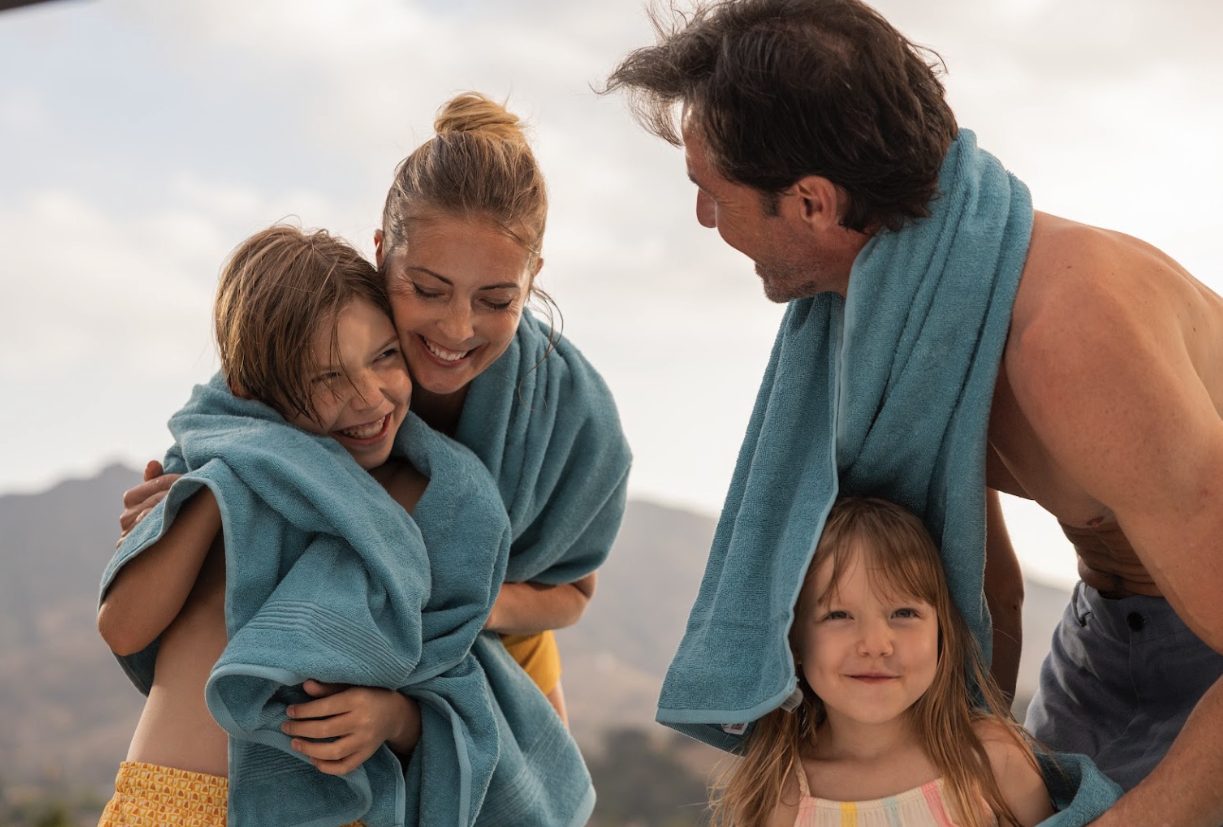
- Aiper Summer Campaign: brief on May 13, final film delivered on May 30, on Netflix US on June 1. Seventeen days, with one shoot day. How we did it.
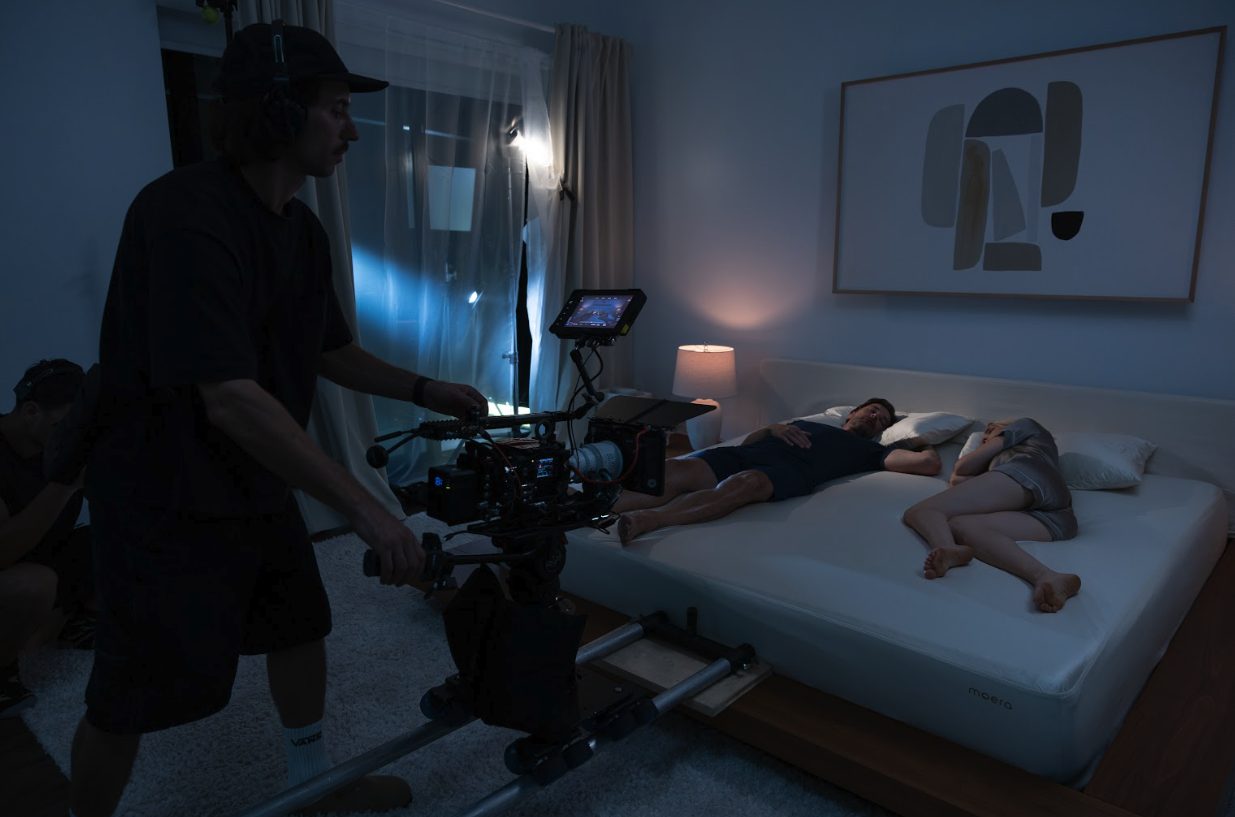
- Moera: the whole Kickstarter film in one 15-16 hour shoot day at one house in Los Angeles, with the client approving every frame live. The story.
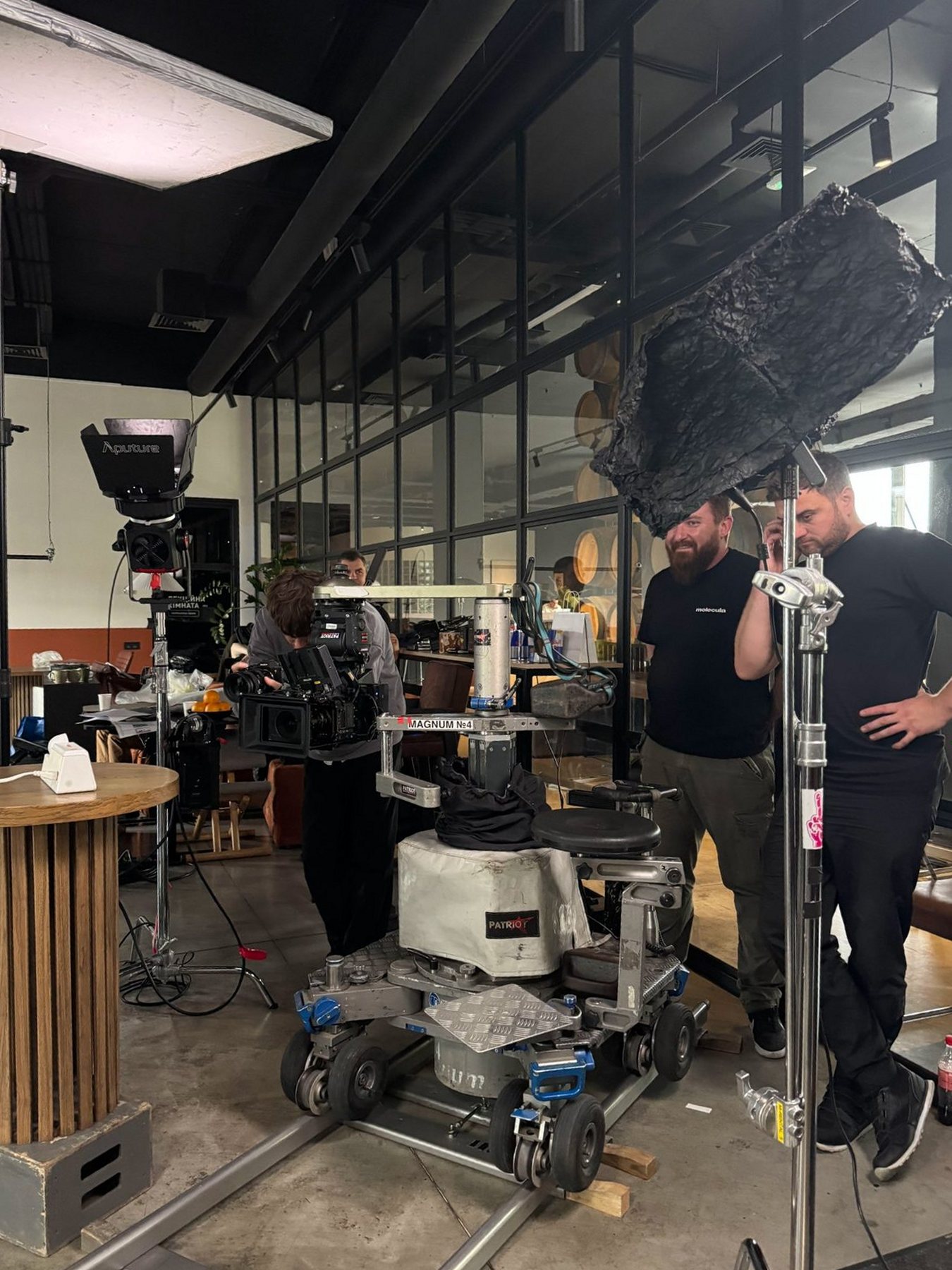
- DOBOT Rover X1: four shoot days at three locations around Los Angeles, before CES. Backstage.
- ZIEA: two shoot days, three sets built in one studio, a full animatic before the shoot. Backstage.
- REDMAGIC: four launch films in five months. One of the shoots.
- Black Shark: six products in twelve months, all in 3D.
What makes a launch film fast
Running stages in parallel. On Aiper, concept, casting, location and props all ran at the same time. That only works when one team owns the whole film, from treatment to delivery.
Deciding early what post will fix. Aiper was shot on a grey day and finished as summer with light and VFX. An early sample can be fixed the same way. If you decide this before the shoot, nobody waits for the weather or a new prototype.
Approving on the day. Live approval over Zoom, as on Moera, removes a whole review round after the shoot.
Locking the film before the shoot. A treatment and an animatic turn the shoot into execution. On ZIEA every shot, UI moment and transition was fixed before the first day on set.
What makes it slow
The product is not ready and nobody planned for it. Approvals come from several people in several time zones with no agreed window. The brief changes after the shoot. Each of these adds more time than any shoot day. We cover how to avoid them in shooting in the US while your team is in China.
Working back from your launch date
If your Kickstarter page, media or an event like CES already has a date, tell us that date first. We plan the film backwards from it, and we tell you on the first call what is realistic and what has to be decided this week.
Aiper: brief to Netflix in 17 daysRead the case ↗︎Keep reading.
The quiet side of your phone: how we made the Flowtica Verso launch film
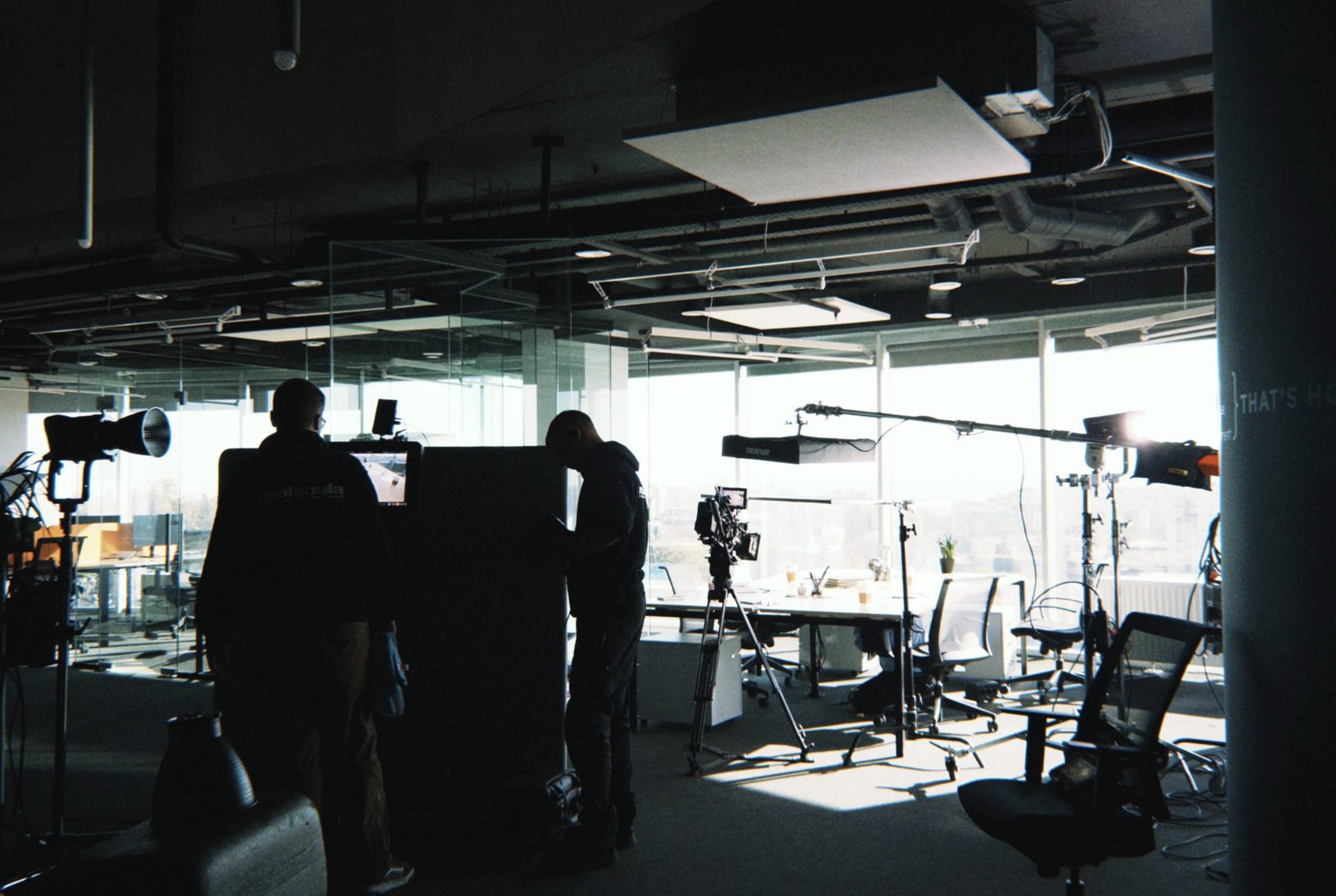
Most of what Verso does happens in software. We turned that into one story about the two sides of a phone, locked every shot in an AI animatic before the shoot, and filmed in Europe and Los Angeles. Forty-eight hours after launch, Verso had passed 1,000 orders.
How to film a temperature: one house, one long day and a $1M Kickstarter launch for Moera
Moera's Smart Climate Mattress Cover raised $1M in its first 12 hours on Kickstarter. On camera, though, it looks like a mattress cover. The whole value is temperature, and a camera can't see temperature.
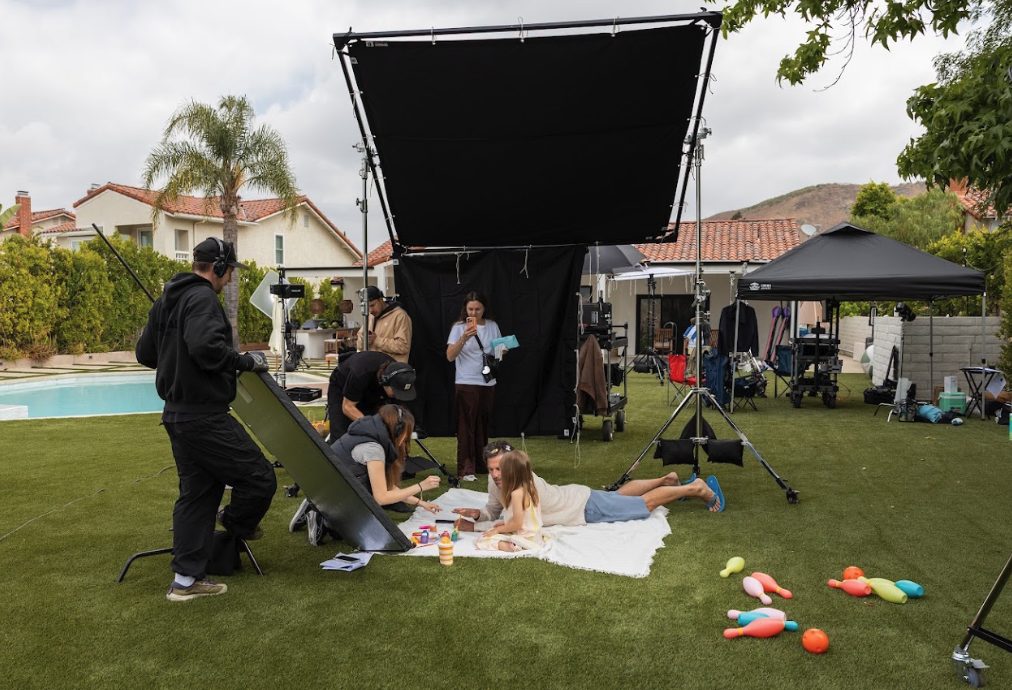
17 days to Netflix: how we turned a grey day into Aiper's summer
Aiper bought a Netflix US slot for June 1 before the film existed. The brief arrived on May 13. Our only shoot day in Los Angeles turned out grey, so we built the summer ourselves.
Let's create your next campaign.
Tell us about your product, timing and the content you need. We come back with a creative direction and a budget, usually within 48 hours.
WeChat: Olegdenysenko
