Product video tips: 10 lessons from 200+ launches
We have made content for more than 200 product launches, from Kickstarter campaigns to a commercial on Netflix. These are the ten things we do on every project, and the ten questions we ask before every shoot.
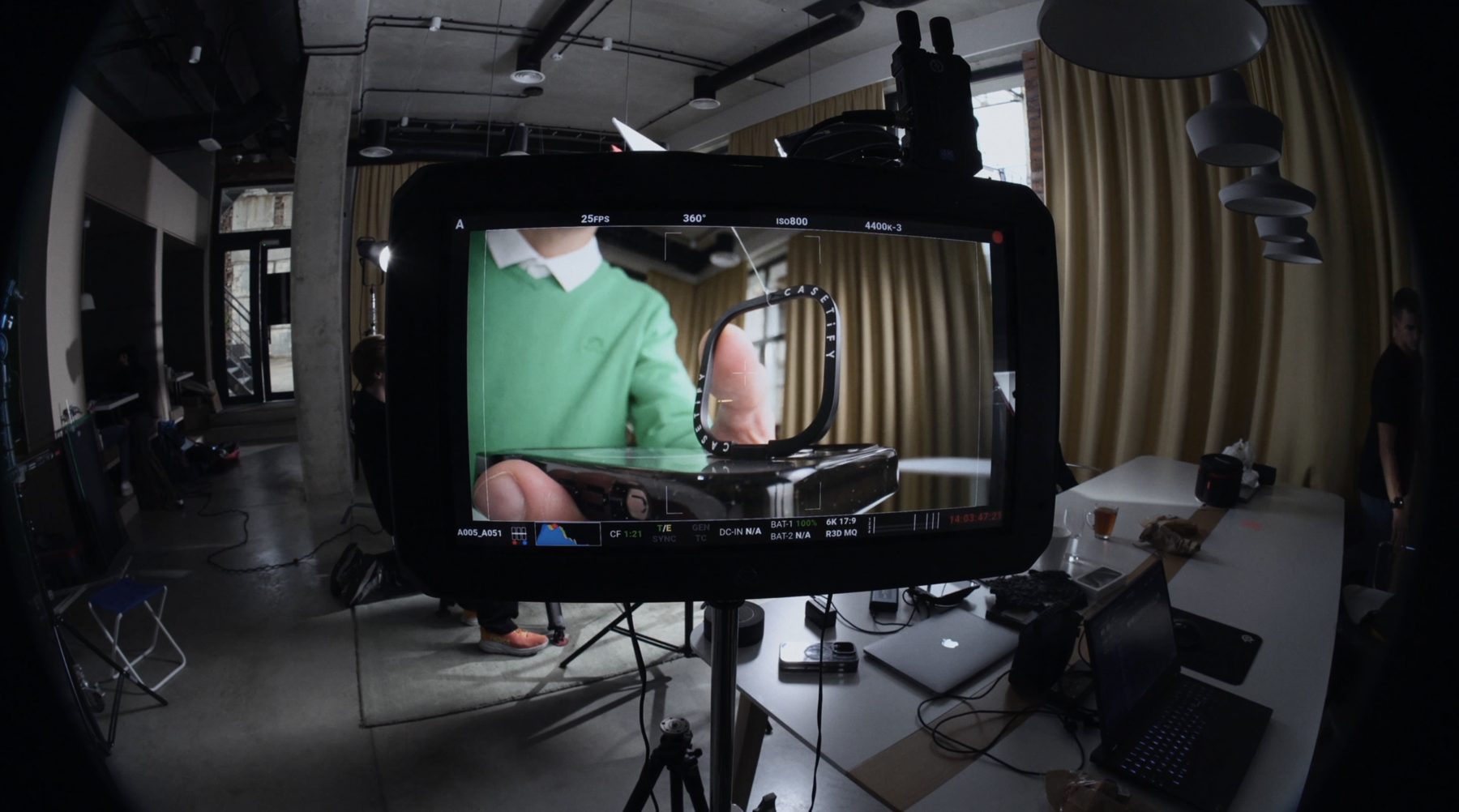
1. Study the product until you could sell it yourself
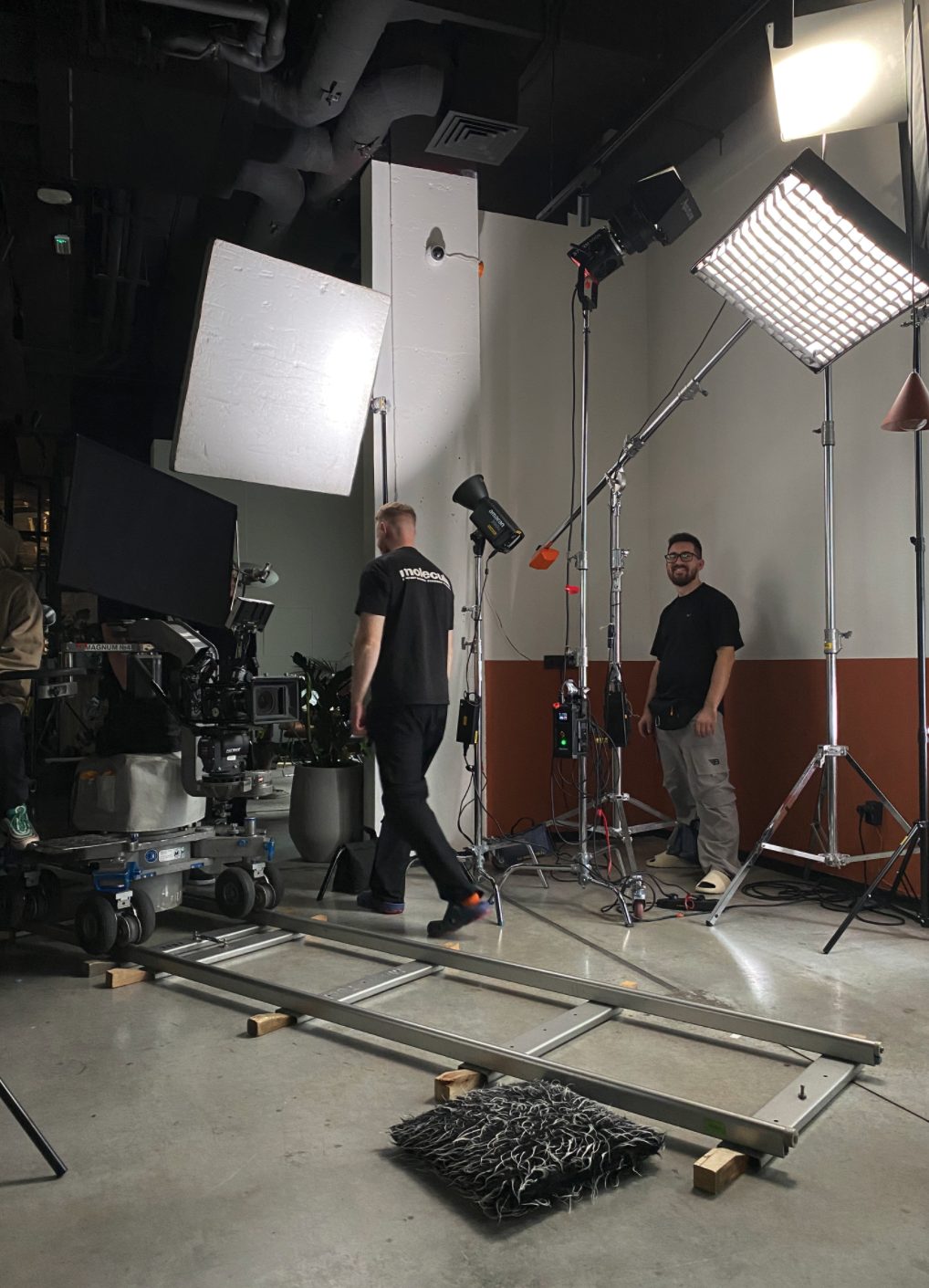
This is the most important step, and the one most often rushed. Before we write a single line of script, we go through a full briefing with the founder or the product team. We use the product ourselves, read every spec and ask every question that comes up. If something is unclear, we ask again.
The goal is to find what makes this product different. Many products in a category look alike on camera. If the film doesn't show the one thing only this product does, it sells the whole category, including the competitors.
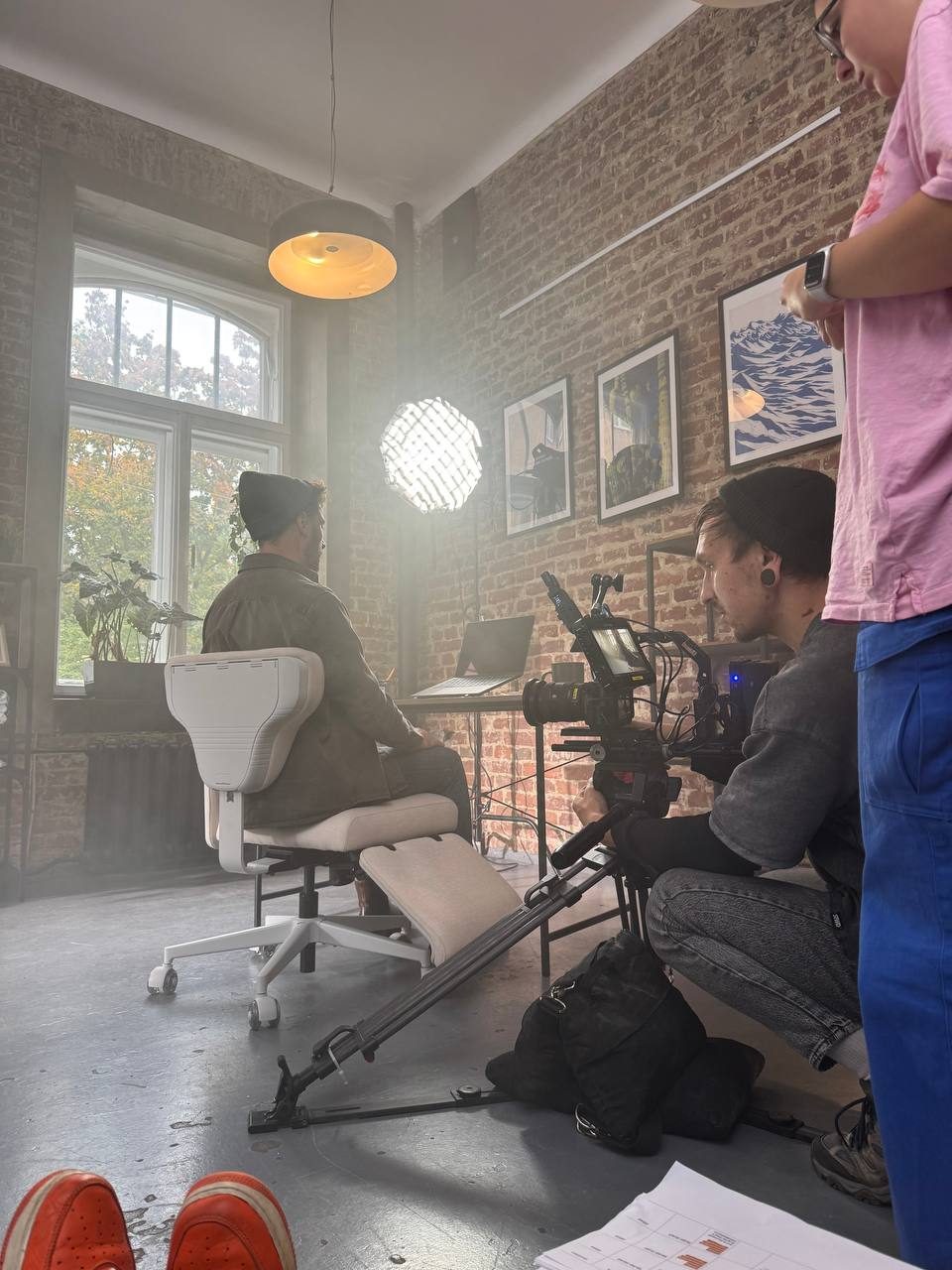
2. Start with the problem
A good product film tells a short story: the problem, the challenge and the solution. Show the moment of frustration first, so the viewer recognises their own day. Then the product arrives and changes it. Without the problem, the product has nothing to solve on screen.
In our film for Moera the problem was a hot, restless night. In the Flowtica film it was the noise of a phone screen. In both, the product only appears once the viewer feels the problem.
3. Make the product the hero
In a product film the main character is often the product, not the actor. People give it context and emotion, but the product gets the best light, the close-ups and its own moments in the edit. We plan those hero shots first and build the scenes around them.
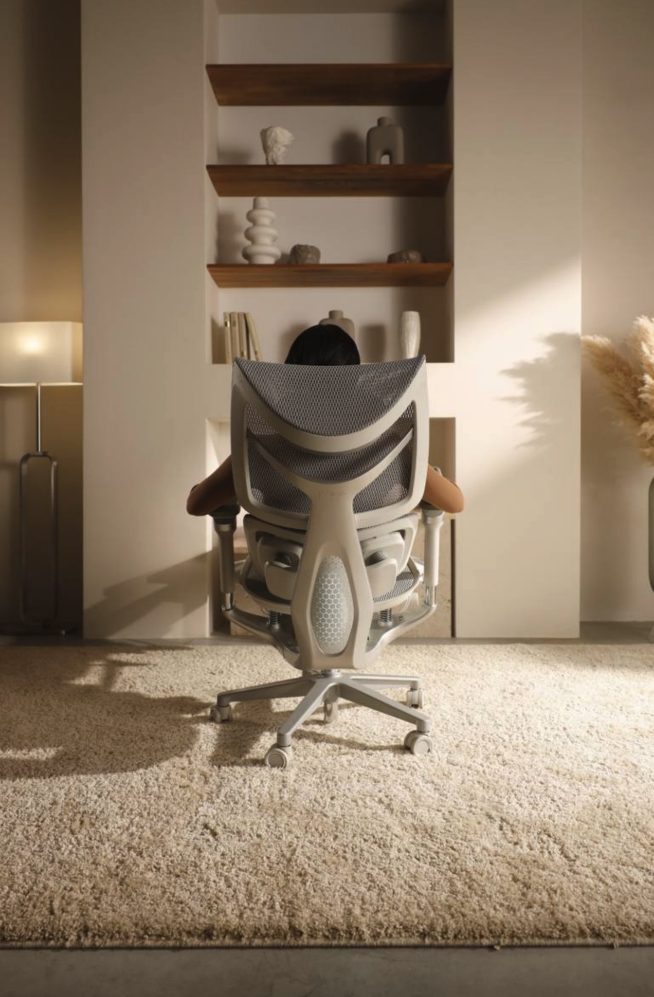
4. Expect an MVP
Launch content is usually filmed before mass production. The product on set may be a prototype: a screen that doesn't light up, a button that sticks, a robot that stops mid-take. Plan for it. Decide early what you will fix in post, such as screen replacements, hidden cables or a cleaned-up surface, and build extra time into the schedule.
On the DOBOT Rover X1 shoot all five robots were early MVPs, and the CES date couldn't move.
5. Have a geek on the team
Someone on set has to understand the technology as well as the client does: an engineer, or simply the person on the crew who reads every manual. They keep prototypes running between takes, catch a wrong setting before it ends up in the shot and explain features to the director in plain words. If the client can send their own engineer, even better.
6. Show the film before it exists
Don't make the client wait for the final cut to see the idea. Share early material at every stage: reference frames, test photos, AI-generated images of key scenes and an animatic of the whole film. If the client has already run pre-launch tests or ads, look at what worked and build on it.
For Flowtica Verso we cut an AI animatic before the shoot, so the client approved timing, voice-over and look before day one.
7. Plan how to show what the camera can't see
Temperature, sound, software, AI features and battery life are all invisible on camera. Decide before the shoot how you will show them: interface graphics, VFX, CGI or a simple practical effect. Then film the plates and the space those effects need.
For Moera we showed temperature with a heat map. For Aiper we added the sun itself, after a grey shoot day.
8. Stay in touch with the client the whole time
Questions come up on every shoot: which colour, which angle, can the product do this. A client who answers in minutes saves hours. We keep a direct line open through pre-production and stream the camera feed on shoot days, so the client can approve frames live from anywhere in the world.
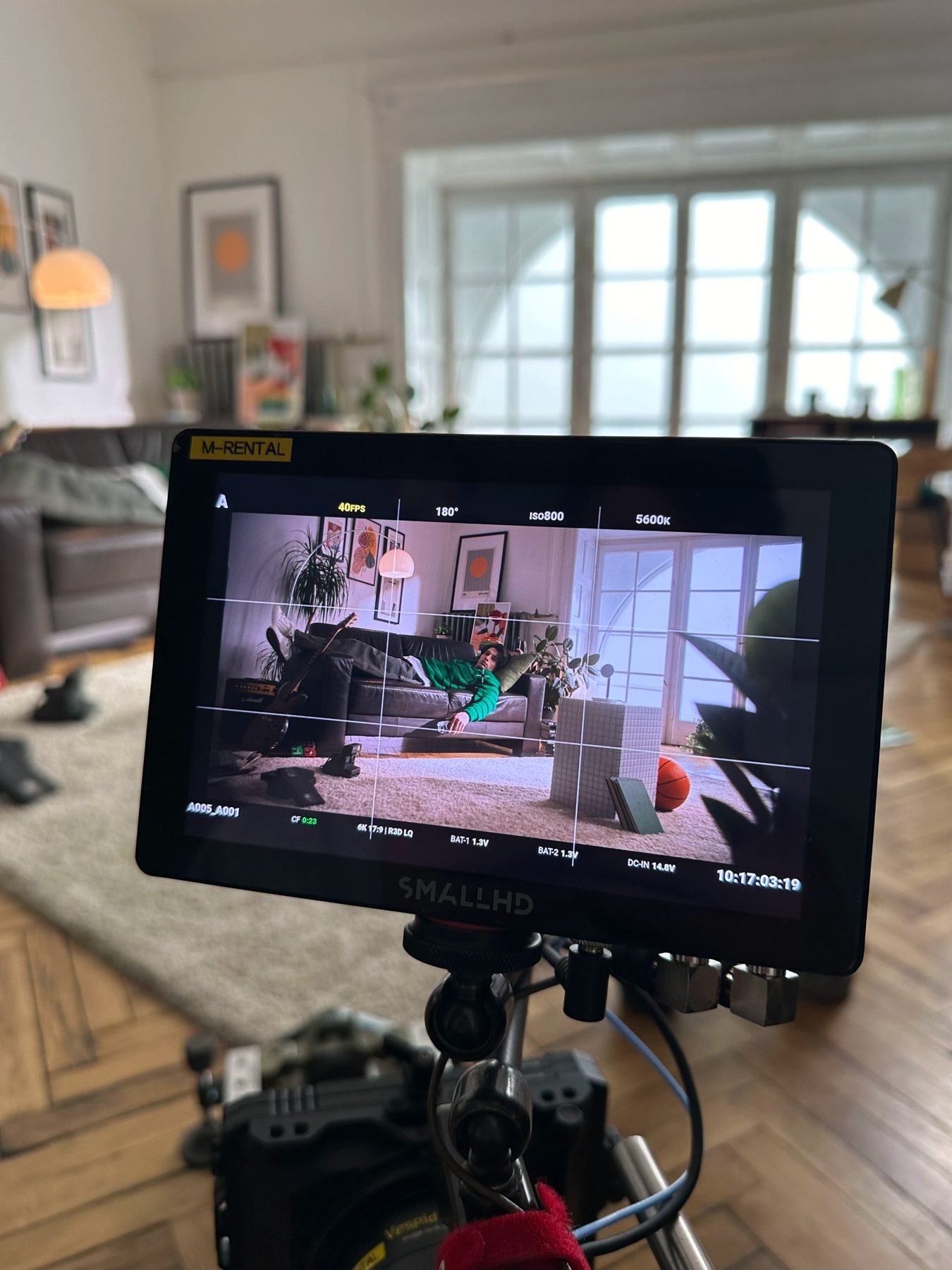
9. Don't make one video. Make a hundred assets
A launch needs much more than one hero film: short cuts for ads, vertical videos for social, GIFs and stills for the product page, 3D for the details. Break the story into pieces and plan every asset in the shot list before the shoot. One well-planned production can feed a whole campaign, and it all looks like one brand.
10. Keep it honest
Viewers, and especially Kickstarter backers, spot exaggeration in seconds. Show what the product really does, with real people in real situations. A film that promises less and proves more builds the trust a launch depends on.
10 questions to answer before a product shoot
We send these to every new client before the first call. If you are planning a launch, answer them for yourself. Half of a good film is decided here.
- What problem does your product solve, in one sentence?
- Who buys it, and where and when do they use it?
- What makes it different from the three closest competitors?
- What is the one feature you want people to remember?
- Which features are invisible on camera: software, sound, temperature, data?
- What stage is the product at: prototype, MVP or final? What might not work on set?
- How many units can you send, and when will they arrive?
- Who on your team knows the technology and can answer questions during the shoot?
- Where will the content run: Kickstarter, your site, Amazon, ads, social, TV? Which formats do you need?
- When do you launch, and what is already fixed: media, events, a crowdfunding date?
Planning a launch?
Send us your answers to these ten questions, or just your product and launch date. We'll come back with a creative direction and a plan, usually within 48 hours.
Keep reading.
How long does a product launch video take? Real timelines from our projects
The honest answer depends on the product, the approvals and how much post the film needs. So instead of a generic range, here are real timelines from our own launches, and what made each one fast.
The quiet side of your phone: how we made the Flowtica Verso launch film
Most of what Verso does happens in software. We turned that into one story about the two sides of a phone, locked every shot in an AI animatic before the shoot, and filmed in Europe and Los Angeles. Forty-eight hours after launch, Verso had passed 1,000 orders.
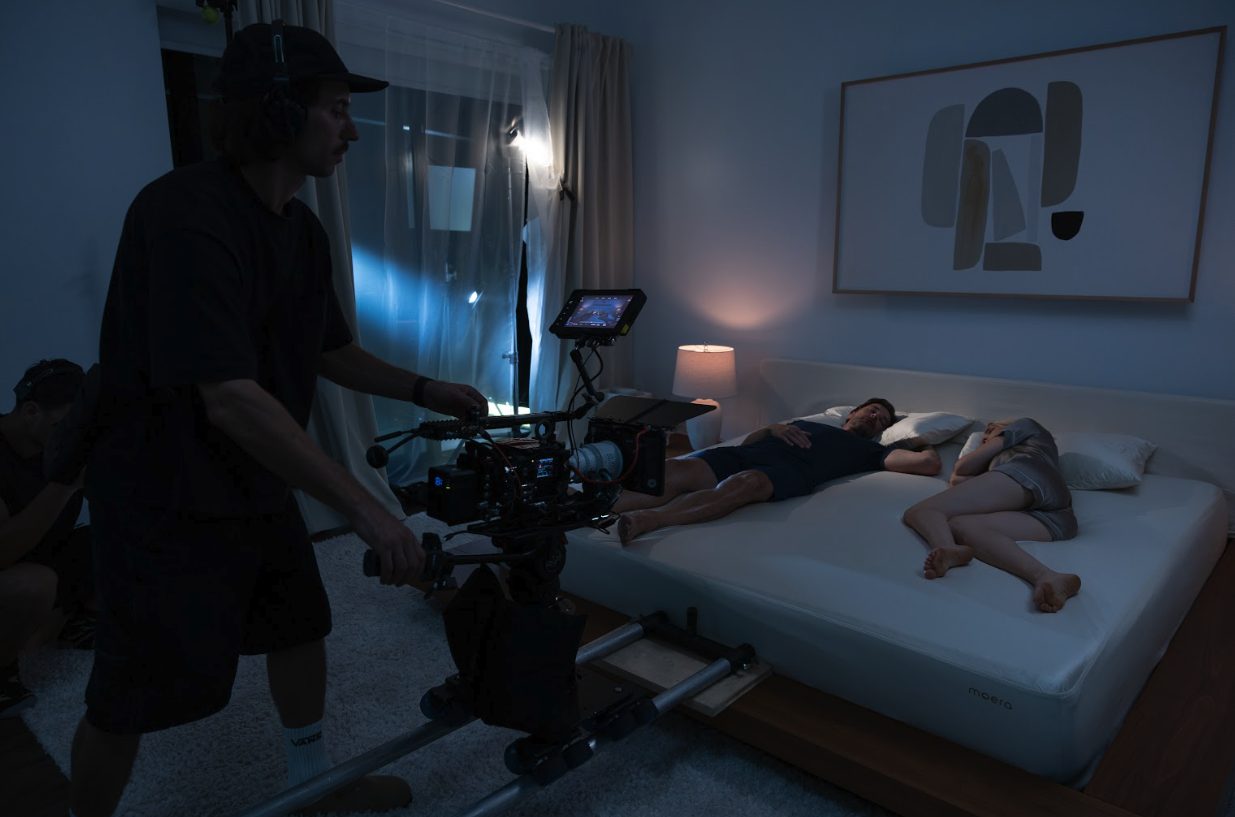
How to film a temperature: one house, one long day and a $1M Kickstarter launch for Moera
Moera's Smart Climate Mattress Cover raised $1M in its first 12 hours on Kickstarter. On camera, though, it looks like a mattress cover. The whole value is temperature, and a camera can't see temperature.
Let's create your next campaign.
Tell us about your product, timing and the content you need. We come back with a creative direction and a budget, usually within 48 hours.
WeChat: Olegdenysenko
